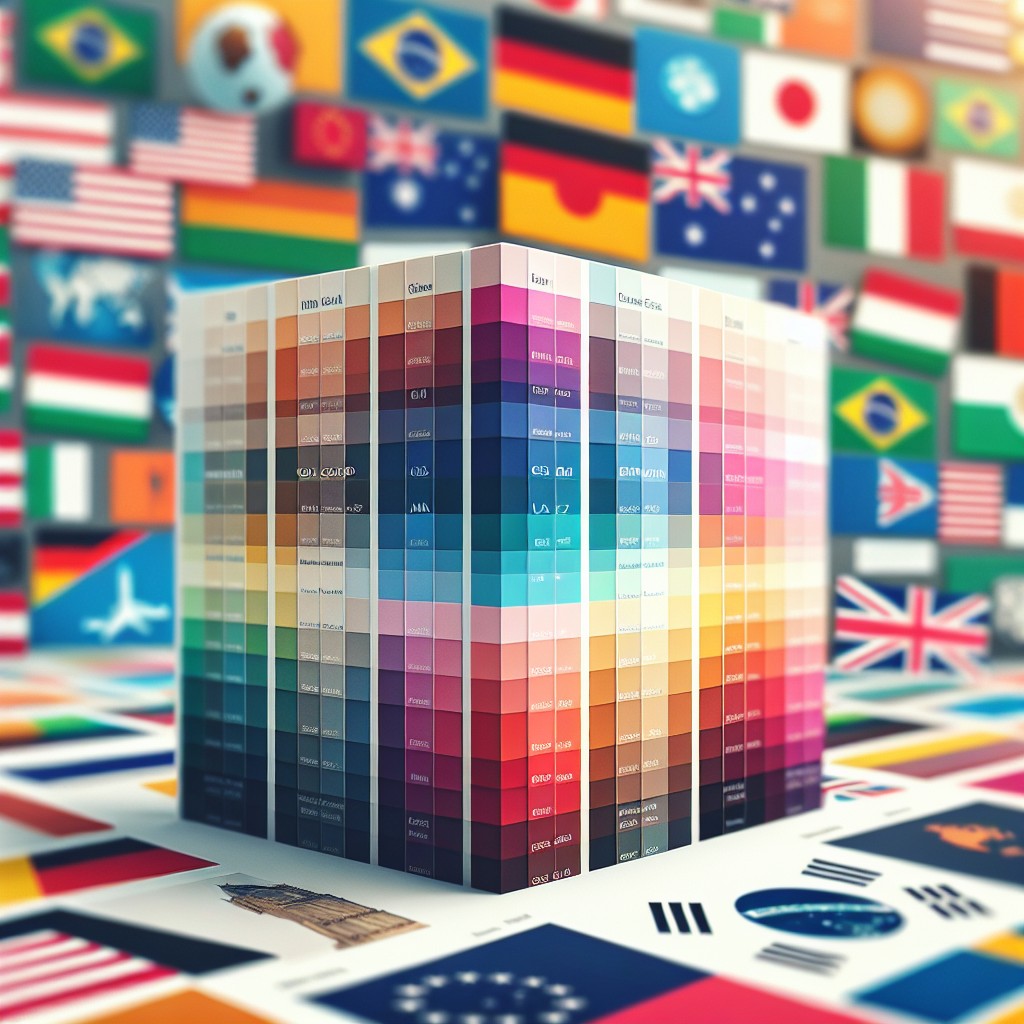
Maintaining color consistency is crucial for brands operating across different geographic regions to ensure a uniform customer experience and solidify brand identity. When printing marketing materials, packaging, or promotional content in multiple markets, brands face challenges related to varying printers, substrates, and environmental conditions that can impact the final color output.
Understanding the importance of color consistency in global branding
Color consistency plays a pivotal role in brand recognition and trust. Consumers associate specific colors with brand values and quality. Inconsistent colors across markets can result in diminished brand credibility and reduced customer loyalty. For businesses expanding internationally, a uniform color presentation reinforces the brand’s professionalism and helps avoid confusion in competitive environments.
Standardizing color management systems and workflows
Achieving color consistency starts with implementing standardized color management systems. Brands should establish clear guidelines and workflows that specify color profiles, calibration routines, and printing parameters. Color management tools such as ICC profiles enable devices to communicate color information accurately, minimizing variations between digital design files and printed output. Consistent use of these tools across agencies, designers, and printers worldwide creates a baseline for reliable color reproduction.
Challenges posed by diverse printing technologies and materials
Different markets often use various printing technologies including offset, digital, flexographic, or screen printing. Each method has intrinsic color reproduction characteristics that can affect color appearance. Additionally, substrate choices—such as paper type, coatings, or packaging materials—alter how ink interacts with the surface, impacting color vibrancy and shade. Brands need to consider these variations by conducting color proofs and test runs using local materials to adjust color formulas appropriately and avoid unexpected deviations.
The role of environmental factors and quality control
Environmental conditions like humidity and temperature influence ink drying and color stability. Market-specific climate variations can cause shifts in color during printing and post-production. Incorporating strict quality control measures, including regular monitoring of print samples and colorimetric measurements, helps detect inconsistencies early. Employing spectrophotometers and other measuring instruments assists in maintaining the prescribed color standards throughout the production cycle across different locations.
Collaboration with trusted print partners worldwide
Establishing partnerships with experienced print vendors who understand and prioritize color consistency is essential. Trusted partners can provide insights into local printing challenges and share best practices that enhance color uniformity. Open communication channels between brand teams, design agencies, and print suppliers facilitate quick resolution of color discrepancies and ensure adherence to brand color specifications, regardless of the market.
In conclusion, brands printing across multiple markets must prioritize color consistency as a key aspect of their global marketing strategy. Through standardized color management, adapting to local printing conditions, applying rigorous quality control, and engaging reliable partners, companies can sustain a coherent visual identity worldwide. The ongoing advances in color measurement technologies and digital workflows will likely further streamline these processes in the near future, enabling brands to maintain exacting color standards irrespective of location.
Frequently Asked Questions about color consistency
Why is color consistency important for brands printing in multiple markets?
Color consistency ensures that a brand’s visual identity remains uniform across different regions, helping maintain customer trust and recognition. Discrepancies in color can lead to confusion and diminish brand value.
How do different printing methods affect color consistency?
Each printing method has distinct color reproduction properties. For example, offset printing may produce different results than digital printing. Understanding these differences allows brands to adjust color specifications to maintain consistency.
What tools help achieve color consistency in print production?
Tools such as ICC color profiles, spectrophotometers, and calibrated monitors are essential for measuring and controlling color during design and printing, thereby improving color consistency.
How do environmental factors impact color consistency in printing?
Factors like temperature and humidity can influence ink behavior and drying time, potentially altering color output. Managing these conditions supports maintaining color consistency across various locations.
Can partnering with local printers improve color consistency?
Yes, working with knowledgeable and trustworthy local printers familiar with regional materials and conditions helps brands achieve better color consistency through tailored adjustments and quality practices.